
In the saturated marketplace of WordPress themes—where there are tens of thousands of options available on the official repository, ThemeForest, and independent shops—making the right choice can feel paralyzing.
Social proof (the psychological phenomenon where people copy the actions of others in an attempt to undertake behavior in a given situation) is the single most reliable filter you have to separate high-quality themes from “abandonware” or poorly coded products.
Here is why social proof matters critically when buying a WordPress theme, and exactly what you should look for.
1. It Validates Code Quality and Stability
Unless you are a PHP and JavaScript developer, you cannot look at a theme’s source code to determine if it is secure or efficient. You have to rely on the experience of others.
- The “Beta Tester” Effect: A theme with 20,000 downloads has effectively been beta-tested by 20,000 people. If there was a catastrophic bug that crashed sites or deleted content, the reviews and support threads would scream about it immediately.
- Browser Compatibility: High user counts usually imply the theme has been tested across different browsers (Chrome, Safari, Firefox) and devices.
2. It Predicts the Quality of Support
The number one frustration for WordPress users is buying a theme, encountering a glitch, and getting ghosted by the developer. Social proof gives you a window into the developer’s customer service ethic.
- Public Support Tickets: On platforms like ThemeForest or WordPress.org, look at the support threads. Are the developers replying? Are they polite? Do they solve the issue, or do they blame the user?
- Response Time: Reviews often mention, “Support got back to me in an hour,” or “I’ve been waiting a week.” This is crucial information for your business continuity.
3. It Ensures Longevity (The “Abandonware” Risk)
WordPress updates its core software several times a year. If your theme is not updated to match these core changes, your site will eventually break or become a security risk.
- Financial Incentive: A developer with a theme that has 50,000 active users has a massive financial incentive to keep that theme updated and secure. A developer with a theme that has 50 users and hasn’t sold a copy in six months will likely abandon the project to find other work.
- The “Last Updated” Date: This is a form of social proof. If a theme hasn’t been updated in 12 months, the community has likely moved on, and you should too.
4. It Exposes the “Demo vs. Reality” Gap
Theme developers are excellent marketers. They create “Demo Sites” using perfectly optimized images, custom CSS, and specific plugins to make the theme look incredible.
- Ease of Use: User reviews are the only way to find out if the theme is actually easy to customize. You will often see reviews stating, “Looks great in the demo, but impossible to set up without coding knowledge.”
- Bloatware: Reviews will tell you if the theme requires installing 15 different plugins to function, which slows down your site.
5. Integration Compatibility
You are likely going to use plugins like WooCommerce, Yoast SEO, or Elementor. Popular themes with high social proof are almost always tested against these major plugins because the user base demands it.
- Community Solutions: If you buy a popular theme (like Astra, Divi, or GeneratePress) and run into a problem, there is a 99% chance someone else has had that problem, solved it, and posted the solution on a forum or YouTube. With a low-social-proof theme, you are on your own.
How to Analyze Social Proof Correctly
Not all social proof is created equal. Here is how to read the data:
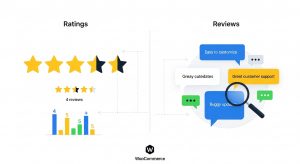
- The Star Distribution: Don’t just look at the average rating (e.g., 4.5 stars). Look at the 1-star reviews. Read them. Are they complaining that they didn’t know how to use it (user error), or are they complaining that the code is broken (product error)?
- Active Installs vs. Total Downloads: Total downloads is a vanity metric; “Active Installs” tells you how many people are currently using it. If a theme has 1 million downloads but only 10,000 active installs, people are deleting it shortly after trying it.
- Recent Comments: Go to the comments section. If the last comment was three months ago, the theme is stagnating. You want to see active discussion within the last week.
The Bottom Line
When you buy a WordPress theme, you aren’t just buying a design; you are entering into a long-term technology partnership with the developer. Social proof is the due diligence that ensures that partner is reliable, skilled, and invested in your success.